Crown Reduction in Belmont: Professional Tree Care for Safer, Healthier Outdoor Spaces
If you are looking for crown reduction in Belmont, you are likely dealing with a tree that has become too large for its setting, too close to a building, or simply too heavy in the canopy for the space it now occupies. That is a very common situation in Belmont, where properties range from established family homes and leafy suburban streets to commercial premises, schools, and shared outdoor areas that all need trees managed with care. A well-planned crown reduction can help bring a tree back into balance without taking away the character and shade that make mature trees so valuable.
Done properly, crown reduction is not about hacking a tree down to size. It is a precise arboricultural service that shortens selected branches, reduces the overall spread or height of the canopy, and helps improve structural balance while respecting the tree’s natural form. For Belmont property owners, this can mean better light into rooms and gardens, reduced strain on limbs during windy weather, and improved clearance around roofs, fences, driveways, paths, and overhead lines. It is a practical solution for both residential and commercial customers who need the tree to fit the site more comfortably.
Whether you are managing a single backyard tree, a row of boundary trees, or the landscape around a business, school, or rental property, the right approach matters. A trusted local team understands how to assess tree health, property access, nearby structures, and the needs of the surrounding area before recommending work. If your tree needs careful reshaping rather than complete removal, crown reduction in Belmont may be the service that gives you the result you want while keeping the tree in place for the long term.
Why Belmont Property Owners Request Crown Reduction

Belmont has a mix of property styles, and that variety is one reason tree work needs a local, flexible approach. In many streets, mature trees have been growing for decades and are now an important feature of the home landscape. At the same time, many properties have side access limitations, sloped blocks, narrow driveways, paved courtyards, or close neighbours. These conditions can make a tree feel larger than it really is, especially when branches overhang roofs, patios, garages, or shared boundaries.
Crown reduction is often requested when a tree is still healthy but has outgrown its space. It may be blocking sunlight, interfering with views, touching buildings, or swaying heavily in wind. In some cases, homeowners are trying to manage seasonal growth before it becomes a problem, while commercial sites may need to maintain clear access, visibility, or safety around customer and staff areas. The service can also be useful after storms or strong winds if the canopy has become unbalanced or if some limbs have extended too far from the main structure.
Local conditions matter too. Belmont properties may have trees exposed to coastal influences, variable winds, and periods of heavy growth. A nearby team is more likely to understand the species commonly found in the area and how those trees respond to reduction work. That local knowledge helps ensure the final shape is practical, attractive, and more resilient, rather than simply shorter.
What Crown Reduction Actually Involves

It is easy to confuse crown reduction with lopping or general cutting back, but the process is more careful than that. A proper reduction aims to shorten the outer canopy by cutting back to suitable growth points. The result should be a tree that keeps its natural appearance while becoming lighter, less dominant, and better suited to its location.
The tree is assessed first to determine whether reduction is appropriate. Not every tree should be reduced in the same way, and the amount removed depends on the species, the tree’s condition, the size of the canopy, and the reason for the work. A skilled arborist will look at the overall structure, branch attachments, signs of disease or decay, and any targets beneath the tree such as roofs, cars, fences, or foot traffic areas. From there, the work can be planned to support the health and stability of the tree.
For many customers, the key benefit is that crown reduction can solve a practical problem without removing the tree altogether. If you value shade, screening, habitat, and garden appeal, this is often a better option than tree removal. It can also be paired with other services such as deadwood removal, selective pruning, or canopy thinning where appropriate.
Signs Your Tree May Need Crown Reduction

Homeowners and site managers often notice the signs gradually. A tree that once seemed perfectly placed may begin to create issues as it matures. It may be shading out a lawn or vegetable bed, brushing against the roof during windy weather, or dropping larger branches into a driveway or garden bed. You may also see the canopy leaning to one side or becoming top-heavy after years of uneven growth.
Common reasons people ask for tree crown reduction in Belmont include:
- Branches are too close to a roof, gutter, pergola, or shed
- The canopy is blocking sunlight from gardens or living areas
- The tree is growing into neighbouring properties or across boundaries
- The top of the tree is catching wind and moving excessively
- There are concerns about broken limbs after storms
- The tree has become too large for the available space
- Access for vehicles, deliveries, or pedestrians is being restricted
If any of those sound familiar, a site assessment is usually the best next step. Even when the tree appears healthy, a reduction can be recommended to keep the canopy manageable and reduce future pressure on branches and nearby structures.
Benefits of a Professional Crown Reduction
A carefully executed crown reduction offers more than just a smaller tree. It can improve the day-to-day usability of your property and support the long-term condition of the tree when the right cuts are made. This is especially valuable in Belmont, where many properties are shaped by existing trees that owners want to keep but also need to control.
Some of the main benefits include:
- Improved safety by reducing the risk posed by overextended or stressed limbs
- Better clearance around roofs, fences, power-sensitive areas, and pathways
- More natural light into homes, gardens, courtyards, and commercial spaces
- Reduced wind load on the canopy during seasonal storms
- Improved tree balance when one side has grown more heavily than another
- Better property presentation with a neat, controlled appearance
- Longer tree retention when the tree is too valuable to remove but needs managing
One of the most important points is that a reduction should be done with the tree’s future in mind. Repeated poor cuts can create weak regrowth and stress the tree. A professional service aims to keep the tree healthy, stable, and visually appropriate rather than simply shortening it for quick effect.
When reduction is more suitable than removal
Many Belmont customers ask whether their tree should come down entirely. In some cases, removal is indeed the right answer, but often a reduction will solve the main concerns while preserving the benefits of the tree. If the trunk and root system are sound and the issue is primarily size, spread, or shape, crown reduction can be a sensible middle ground. It lets you keep the shade, privacy, and character the tree provides while reducing the problems caused by excess growth.
How the Service Usually Works
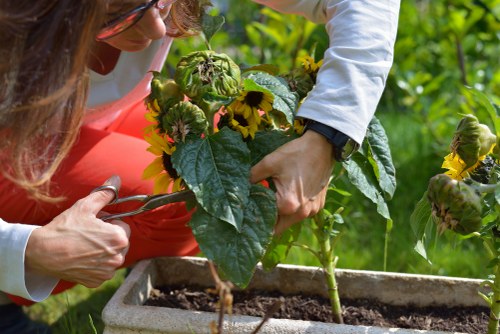
Every tree and property is different, but most crown reduction jobs follow a clear process designed to keep the work efficient and controlled. A local team will usually begin with a visual assessment of the tree, the access available, and the surrounding space. This includes checking for obstacles such as garages, garden sheds, fences, neighbouring structures, garden beds, and overhead features that may affect how the work can be carried out.
Once the tree has been assessed, the work can be planned around the desired reduction and the condition of the canopy. The arborist will identify where cuts should be made, how much should be removed, and whether any secondary work is required. This may include removing deadwood, thinning congested areas, or taking extra care around branches with poor attachment points. The aim is to leave the tree looking well-shaped and proportionate.
On the day of the job, the team will work systematically through the canopy, reducing branch length in stages so the result is even and controlled. Depending on the size and location of the tree, equipment may be chosen to minimise disruption to the garden and surrounding property. For Belmont customers, this practical on-site planning is especially important where access is tight, parking is limited, or the property shares boundaries with neighbours.
What a quality reduction should include
- A clear explanation of the work before it begins
- Careful pruning to suitable growth points
- Even canopy shaping rather than uneven cutting
- Respect for the tree species and its natural habit
- Removal of debris from the work area where agreed
- Attention to surrounding surfaces, structures, and planted areas
For many customers, the value of a professional service is in the details. Good tree work should be measured, tidy, and designed to produce a practical result that lasts.
Local Reasons Belmont Customers Prefer a Nearby Team
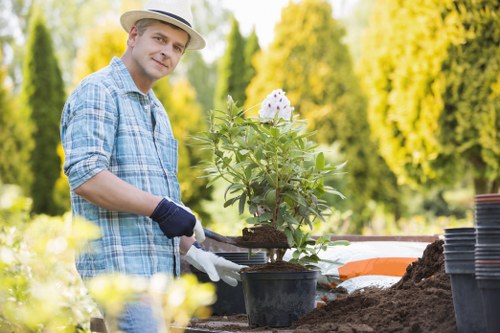
There is a real advantage in choosing a local company for crown reduction Belmont customers can rely on. A nearby team is more likely to understand the practical realities of the area, from narrow residential streets to busier commercial sites and mixed-use properties. Belmont has pockets where access can be awkward, especially where trees sit behind fences, along side boundaries, or in gardens with limited entry points. Planning equipment movement and debris handling around those conditions takes experience.
Local knowledge also helps when working around the kinds of trees commonly found in the region. Different species respond differently to pruning, and a team that regularly works in the area will be better placed to choose a reduction style that supports healthy regrowth. That matters because a poor reduction can leave ugly stubs, encourage weak shoots, or stress the tree unnecessarily.
Another advantage is responsiveness. When a branch is interfering with a roofline, threatening a driveway, or creating a hazard after windy weather, a local team can often assess the situation more efficiently. Belmont property owners who need practical tree care tend to value service that is straightforward, well organised, and suited to the local environment. That is particularly true for landlords, body corporate managers, shopfronts, and business premises that need regular upkeep rather than one-off emergency attention.
Residential Crown Reduction in Belmont
Homeowners often request crown reduction for trees in front yards, backyards, and boundary lines where space has become limited. The most common residential concerns are shade, roof clearance, neighbour relations, and safety around play areas, sheds, and outdoor entertaining spaces. If branches are beginning to dominate the garden, a reduction can restore balance and make the property feel more open without losing the tree altogether.
Belmont homes may have older, established trees that bring character but also create maintenance challenges. A mature canopy can trap moisture, cast heavy shade over lawns, or make it harder to maintain gardens and paved spaces. By reducing the crown, you can improve usability while still keeping the tree as a key feature of the property.
Residential customers often appreciate:
- More usable sunlight in living areas and outdoor spaces
- Reduced debris in gutters, patios, and pool zones
- Better visibility from windows and driveways
- A tidier, more balanced look for the front or back garden
- Less interference with neighbouring properties
If you are planning other seasonal maintenance, crown reduction can also be timed to fit with general garden clean-up or property upkeep. That makes it easier to manage the site in a single visit and keep the outdoor area in good condition.
Commercial and Strata Tree Care
Commercial properties have different priorities. A tree outside an office, retail site, medical practice, warehouse, school, or strata-managed complex must look presentable while staying safe and unobtrusive. A crown reduction can help maintain clear entrances, sign visibility, parking access, and pedestrian movement. It can also reduce the likelihood of branches damaging vehicles or affecting the tidiness of the premises.
For shared properties, a planned approach is especially important. Tree work often needs to be scheduled around tenants, customers, deliveries, and shared access areas. A local provider who understands Belmont’s commercial and residential mix can help keep the job practical and low-disruption.
What Affects Pricing for Crown Reduction
Many customers want to know what influences the cost of crown reduction before they book a visit. While every job is assessed individually, the main pricing factors are usually straightforward. The more complex the tree or the access, the more time and equipment may be required. A tree’s size, species, height, spread, condition, and location all affect how the work is planned.
Common cost factors include:
- Tree height and canopy spread
- How much of the crown needs to be reduced
- Species and growth habit
- Condition of the tree, including deadwood or decay
- Access for staff, equipment, and debris removal
- Proximity to buildings, fences, and other obstacles
- Whether additional pruning or clean-up is needed
In Belmont, access can be a major factor. A property with easy side access is much simpler than a site where the tree sits behind structures or within a tight courtyard. Parking also plays a role, because it can affect how quickly equipment and materials can be brought in and out. That is why an on-site inspection or detailed discussion is usually the best way to receive an accurate quote.
Request a free quote when you are ready to compare options or want a practical view of what your tree needs. That first step can save time and help you decide whether reduction, thinning, or another type of pruning is the best fit.
Preparing Your Property Before the Work
Good preparation helps the job run more smoothly and safely. Most tree teams will handle the technical work, but there are a few simple steps Belmont customers can take ahead of time to reduce delays and protect nearby items. This is especially helpful where parking is tight or the tree stands in a busy part of the property.
Preparation checklist:
- Move vehicles away from the work area where possible
- Clear patio furniture, pot plants, and small garden items from beneath the canopy
- Check that gates, side access, or driveway entries are unlocked or unobstructed
- Keep children and pets away from the work zone during the service
- Let the team know about any sensitive surfaces, cables, irrigation lines, or fragile structures
- Discuss neighbour access if branches overhang a shared boundary
In some cases, a local team may also ask whether there are council-related restrictions, shared access arrangements, or known site issues that could affect the work. Having that information ready is useful because it helps avoid delays and supports a smoother outcome.
For businesses and strata sites, it can also help to notify occupants or tenants in advance if the work will affect entry points, parking bays, or outdoor seating. A small amount of planning usually makes the whole process easier.
How to know if the tree is ready for reduction
If the tree is healthy but too large, growing unevenly, or causing clearance problems, it may be a good candidate for crown reduction. If the tree is visibly diseased, hollow, or unstable, a different recommendation may be more suitable. A proper assessment should always come first so the work matches the tree’s condition, not just the visible problem.
Areas Covered Around Belmont
Customers seeking tree services in Belmont often also need support in surrounding suburbs and nearby areas where properties share similar access, growth, and maintenance challenges. A local provider can usually assist across a wider service area, especially where trees sit on residential boundaries, commercial frontage, or larger lifestyle blocks.
Areas commonly covered may include nearby suburbs and local neighbourhoods around Belmont, depending on the job and access requirements. If you are unsure whether your site falls within the service area, it is worth making an enquiry and describing the tree, property type, and general location. That can help determine whether the work is a suitable fit.
The benefit of using a nearby team is that travel time is usually more manageable, scheduling can be more flexible, and site visits are easier to arrange. For many customers, that convenience matters almost as much as the tree work itself.
Why this matters for repeat maintenance
Trees do not stop growing after one reduction. Over time, you may need ongoing maintenance to keep the canopy at a manageable size. Working with a local team means future pruning can be coordinated with the tree’s previous work history, reducing the chance of inconsistent results. That can be useful for property managers, body corporate committees, landlords, and busy homeowners who want a reliable long-term approach.
Frequently Asked Questions
Customers often have practical questions before arranging crown reduction in Belmont. Below are some of the most common ones we hear from homeowners and property managers.
Will crown reduction damage my tree?
When done correctly, crown reduction is designed to support the tree’s structure rather than harm it. The key is making careful cuts in suitable places and reducing the canopy by an appropriate amount. Poor pruning can cause problems, which is why the method and timing matter.
How much of the tree can be reduced?
That depends on the species, health, and condition of the tree. A responsible arborist will not recommend an excessive reduction if it could weaken the tree or lead to poor regrowth. The amount removed should suit both the tree and the site.
Is crown reduction the same as topping?
No. Topping is a rough cutting back that can leave the tree stressed and poorly shaped. Crown reduction is a more selective process that shortens branches back to appropriate growth points while keeping the tree’s framework intact.
Do I need to be home during the work?
Not always, but it is often helpful if someone can discuss access and any site-specific concerns beforehand. For larger or more complex jobs, being available at the start can make communication easier.
Can a reduction help after storm damage?
Yes, in some cases. If the tree has been left unbalanced or if certain limbs are now extending too far, reduction can help restore a more even canopy. If there is significant damage, the tree should be assessed carefully before any work begins.
Will the tree grow back quickly?
Most trees respond to reduction with new growth over time, though the rate depends on species and site conditions. A good result aims for healthy regrowth that can be maintained later rather than weak or excessive shoots.
Can crown reduction improve light in my garden?
Yes. Reducing the size of a dense canopy often allows more daylight to reach lawns, garden beds, and living spaces. That can make a noticeable difference to how the property feels.
What to Look for in a Tree Service Provider
Choosing the right team is important if you want the job done neatly and safely. You are not just looking for someone with equipment; you want a company that understands tree structure, local site conditions, and the practical needs of Belmont properties. A good provider should explain what the tree needs, why the work is recommended, and what outcome you can reasonably expect.
Helpful things to look for include:
- Clear communication about the proposed work
- Experience with crown reductions and pruning methods
- Awareness of tree health, structure, and species differences
- Respect for neighbouring properties and access limitations
- A tidy, professional approach to site care and cleanup
- Local knowledge of Belmont-style residential and commercial settings
You should feel comfortable asking questions before booking. A trustworthy team will welcome that, because the right result depends on understanding your goals as well as the tree’s condition.
Book Crown Reduction in Belmont with Confidence
If a tree on your property has become too large, too heavy, or too close to surrounding structures, crown reduction may be the practical solution you have been looking for. It can restore balance, improve light, reduce risk, and keep a valued tree in place without letting it dominate the site. For Belmont customers, the best results usually come from a local service that understands the mix of home gardens, business premises, tight access points, and mature tree stock across the area.
Whether you need help with a single tree in a backyard or ongoing maintenance for a commercial site, a professional assessment can point you in the right direction. The aim is always the same: make the tree fit the space better, protect the surrounding property, and preserve the features that make the tree worth keeping.
Contact us today to discuss your tree, request a free quote, or arrange a site visit. If you are ready to improve safety, sunlight, and structure around your property, book your service now and take the first step toward a smarter, more manageable landscape.