Recycling and Sustainability at Tree Surgeons Belmont
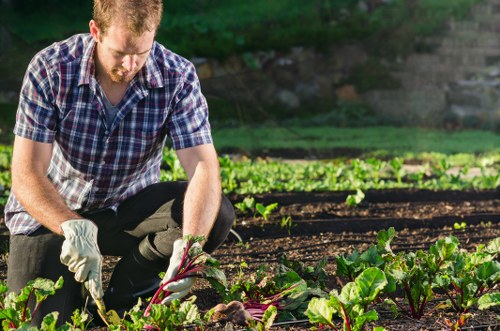 At Tree Surgeons Belmont, sustainability is not treated as an optional extra; it is built into how we plan, work, and clear up every site. Our approach to tree surgery recycling focuses on reducing waste, reusing useful timber, and keeping as much material as possible away from landfill. We aim for a minimum recycling and recovery target of 95% across green waste, timber, metal fixings, and other site materials, and we continually review our methods to keep improving that figure. For us, a greener service means more than tidy work areas. It means choosing responsible disposal routes, separating materials carefully, and making practical decisions that lower the overall environmental impact of each job.
In Belmont and the surrounding boroughs, waste separation is increasingly important, with local collection systems often expecting materials to be sorted into green waste, wood, metal, and general refuse streams. We support that boroughs-based approach by separating arboricultural arisings at source wherever possible. Branches, leaves, and brushwood are assessed for composting or mulching, while clean timber may be directed toward reuse or biomass recovery. This helps align our work with the region’s wider recycling culture and keeps tree surgery operations compatible with modern waste-management expectations. Belmont tree surgeons who think carefully about recycling are better placed to deliver efficient, low-impact services for gardens, estates, and commercial grounds alike.
 A major part of our sustainability commitment is the way we move materials. Rather than relying on inefficient transport, our low-carbon vans are selected for reduced emissions and improved fuel economy. We schedule work sensibly to minimise unnecessary journeys, and we plan loads so that vehicles are used effectively. This reduces both congestion and carbon output while making the whole process more efficient. In an area where travel between sites, depots, and local disposal points can quickly add up, lower-emission vans make a meaningful difference. They are one of the practical ways Tree Surgeons Belmont recycling efforts become part of everyday operations rather than a separate policy statement.
We also make use of local transfer stations for responsible waste handling. When material cannot be reused on site, it is taken to approved facilities where it can be weighed, sorted, and directed into suitable recovery routes. This is particularly useful for mixed green waste, soil, damaged timber, and occasional non-organic items that arise during tree work. Using local transfer stations reduces haulage distance and supports a more efficient waste chain. It also helps ensure compliance with borough rules and environmental standards, especially where separate collection of wood, green waste, and construction-type debris is encouraged.
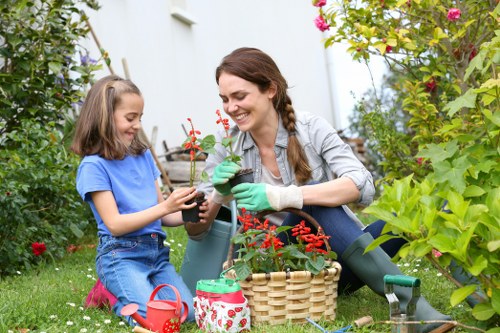 Partnerships play an important role in our recycling and sustainability work. Where wood is suitable, we look for ways to pass it on for charity reuse projects, community gardens, habitat initiatives, or arts and craft schemes. Some timber offcuts may be shared with local charities that use natural materials for garden structures, fundraising projects, or educational activities. Smaller branches can also be redirected into dead hedging or wildlife features, supporting biodiversity in spaces that benefit from recycled organic material. These partnerships help ensure that useful resources continue to serve the community after the arboricultural work is complete.
We are equally careful with what happens to green waste after collection. Leaves, chips, and shredded branches can be turned into mulch or compost products that improve soil structure and moisture retention. In boroughs that place emphasis on separating garden waste from general rubbish, this approach supports local environmental goals while preventing contamination. Our Belmont tree surgery recycling process prioritises clean segregation, so that organic material remains suitable for beneficial reuse. By doing so, we help reduce landfill pressure and support circular methods that return nutrients and organic matter back into the local landscape.
 Another important part of our sustainability strategy is equipment management. Whenever possible, we maintain and repair tools rather than replacing them unnecessarily, and we select components with durability in mind. This reduces the embodied carbon associated with new manufacturing and extends the life of our kit. From chains and bars to protective equipment and fuel containers, responsible procurement matters. We also look for ways to reduce packaging waste, choosing suppliers and products that offer recyclable packaging or bulk supply options where appropriate. In the context of recycling tree surgery waste in Belmont, these small decisions add up to a significant environmental benefit.
Our crews are trained to understand the difference between materials that can be recycled, repurposed, or safely disposed of. That includes basic separation of metals from timber, identifying contaminated waste, and keeping treated wood apart from clean organic material where required. This careful sorting is especially relevant in areas where borough recycling schemes are strict about waste streams. By mirroring that discipline on site, we improve recovery rates and reduce the risk of rejected loads. It is a straightforward but effective way to make sure tree surgeons in Belmont contribute positively to the local waste system.
 We believe sustainability should be visible in the details: the way arisings are stacked, how vehicles are routed, and how much can be saved from disposal through reuse or recycling. Our target is not just to meet minimum expectations, but to keep pushing toward better outcomes year after year. Whether it is sending clean wood for biomass recovery, supporting charities through donated timber, or using low-carbon vans for day-to-day work, every part of the process is designed with responsibility in mind. For customers choosing Tree Surgeons Belmont, that means a professional service with a clear environmental conscience and a practical commitment to recycling, recovery, and long-term sustainability.